IHS Liners 38/400 & 45/400 For Glass Pill Bottles

IHS Liner (induction heat seal) for pharma glass pill bottles – the best closure solution for supplements, pills, and vitamins. Made in Europe.
- Description
- Using Condition
Description
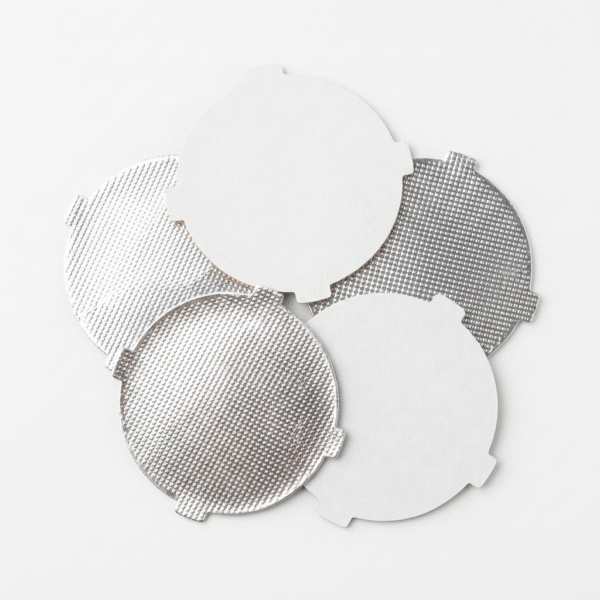
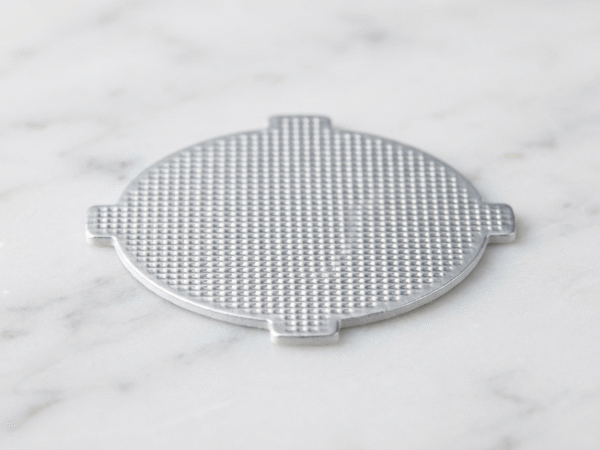
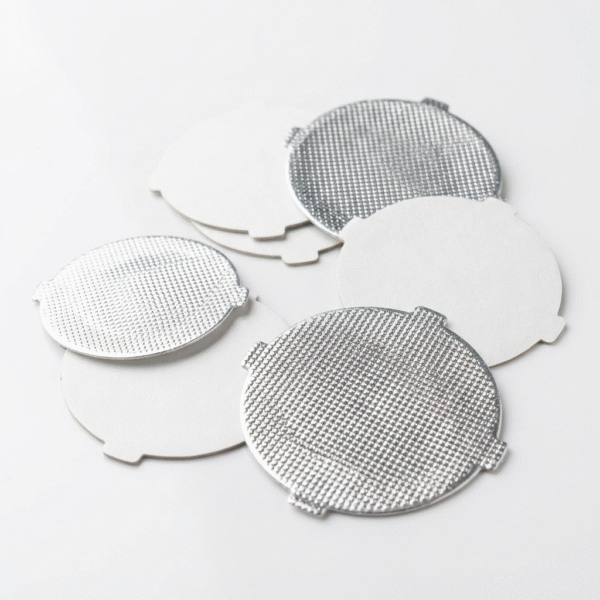
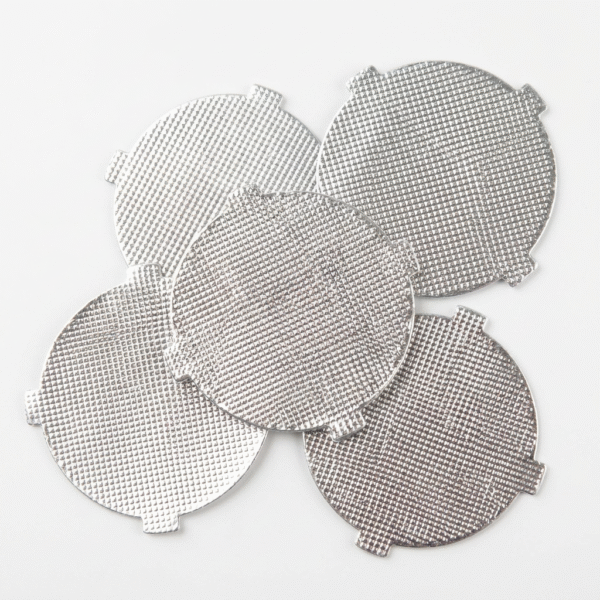
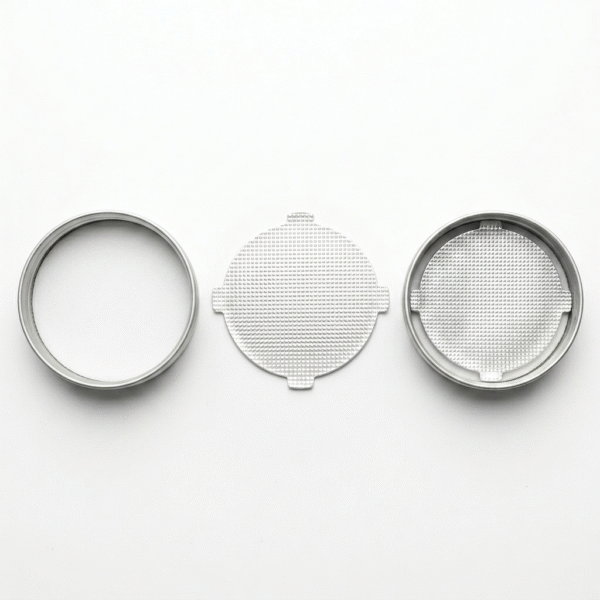
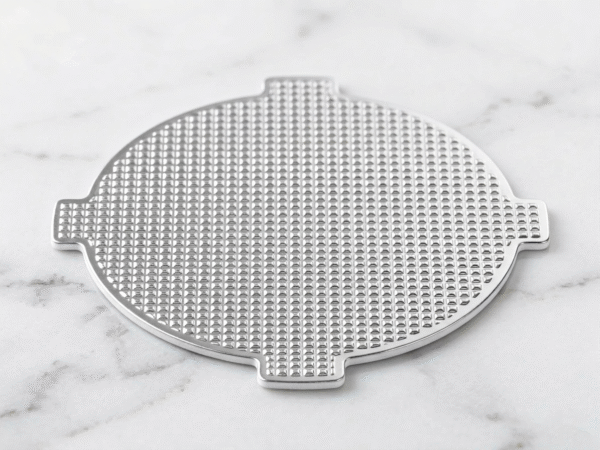
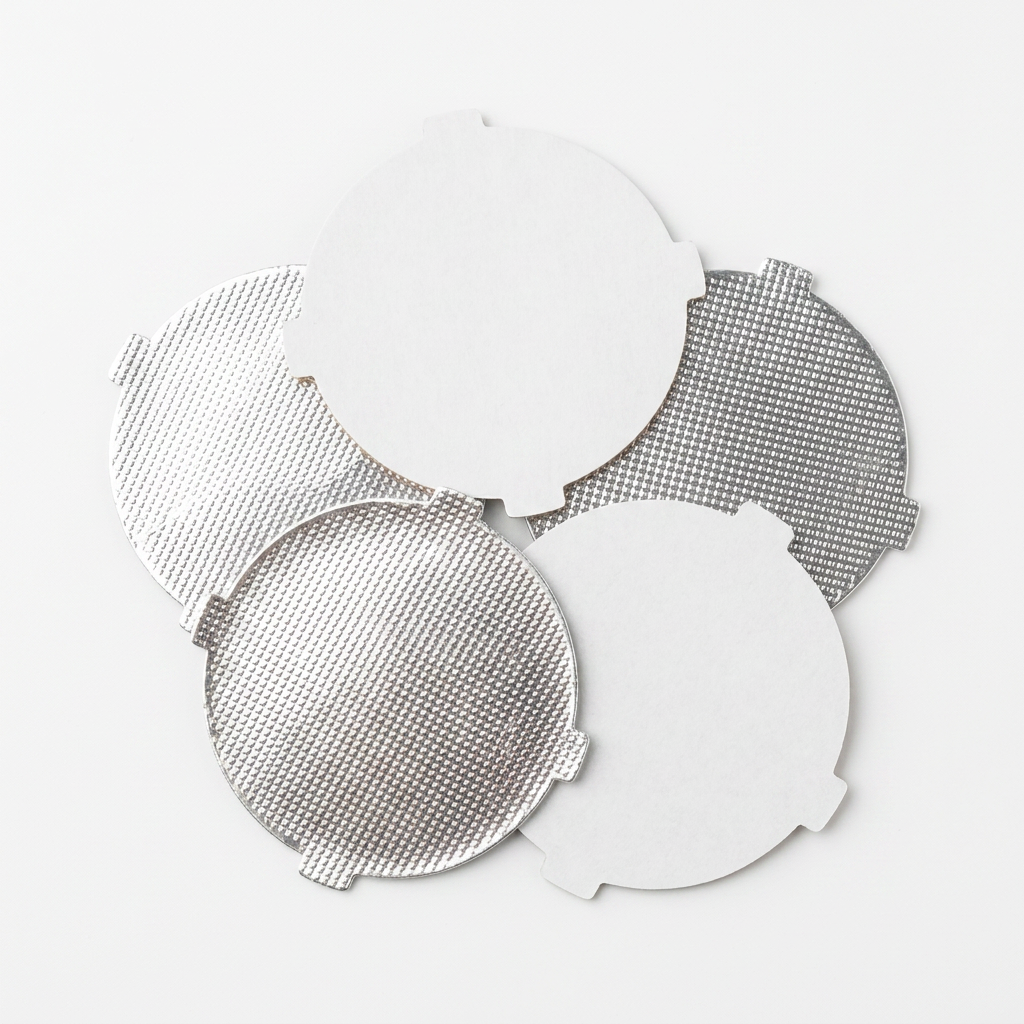
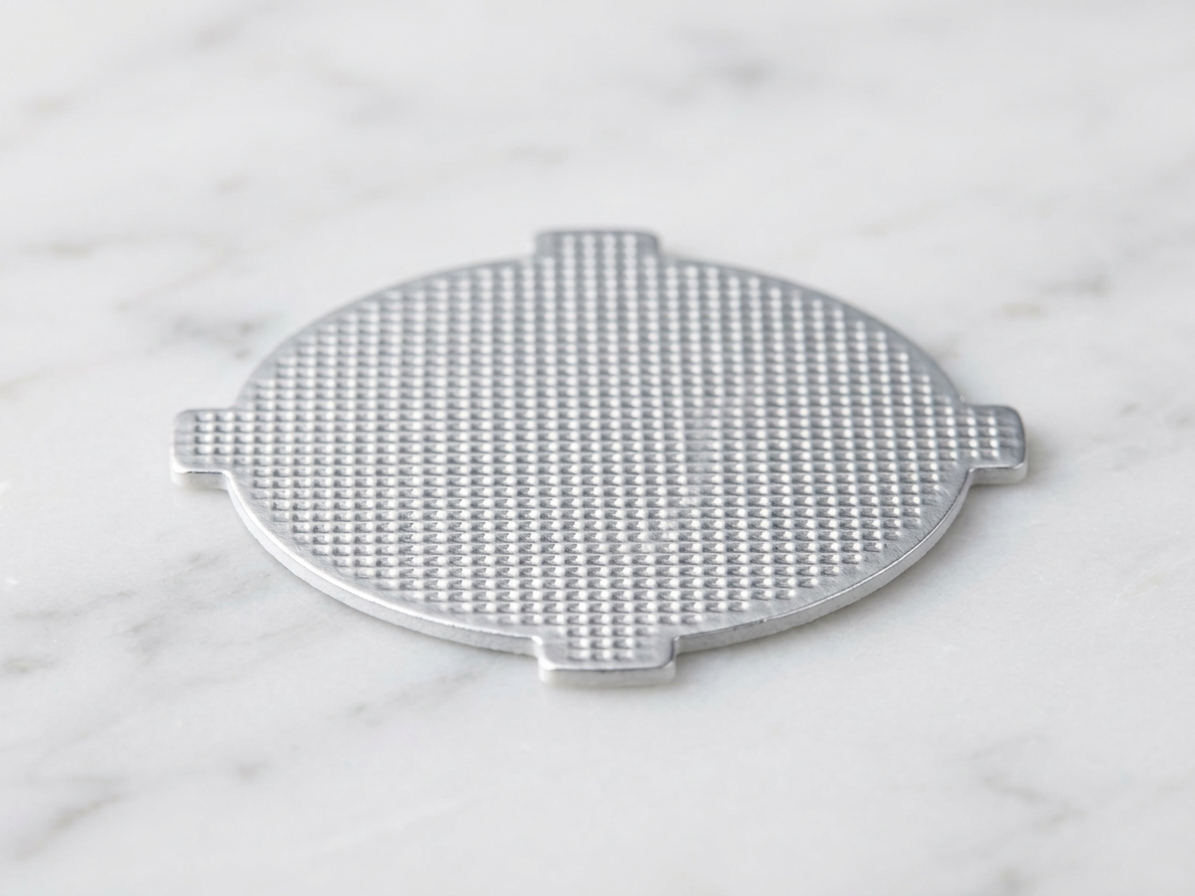
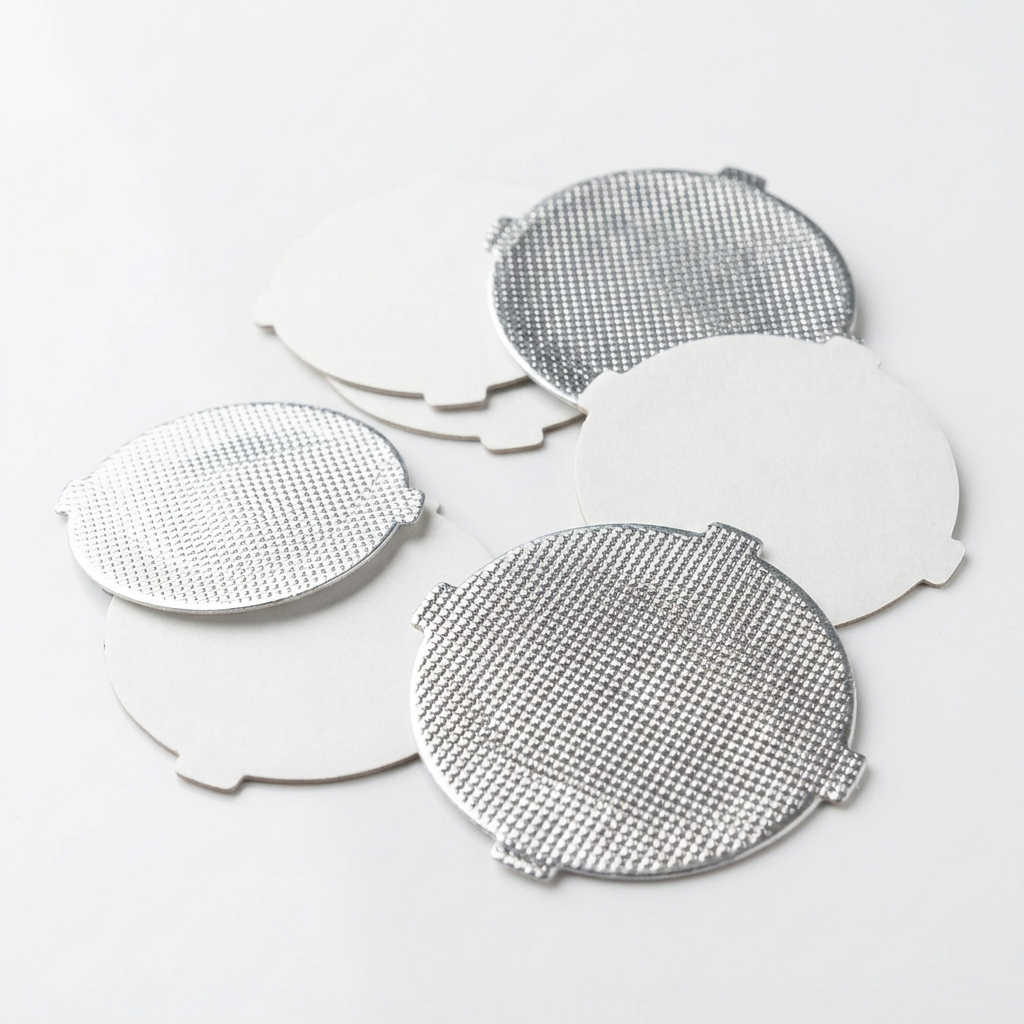
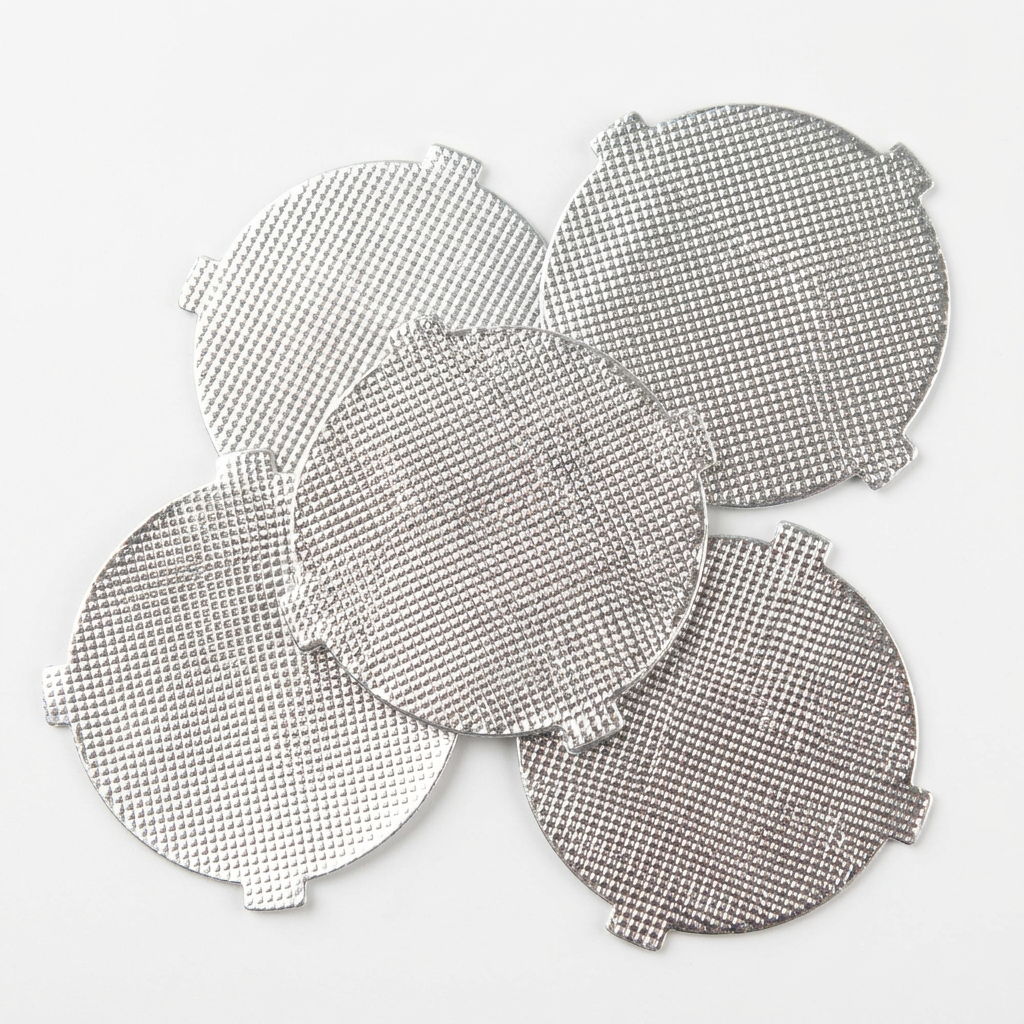
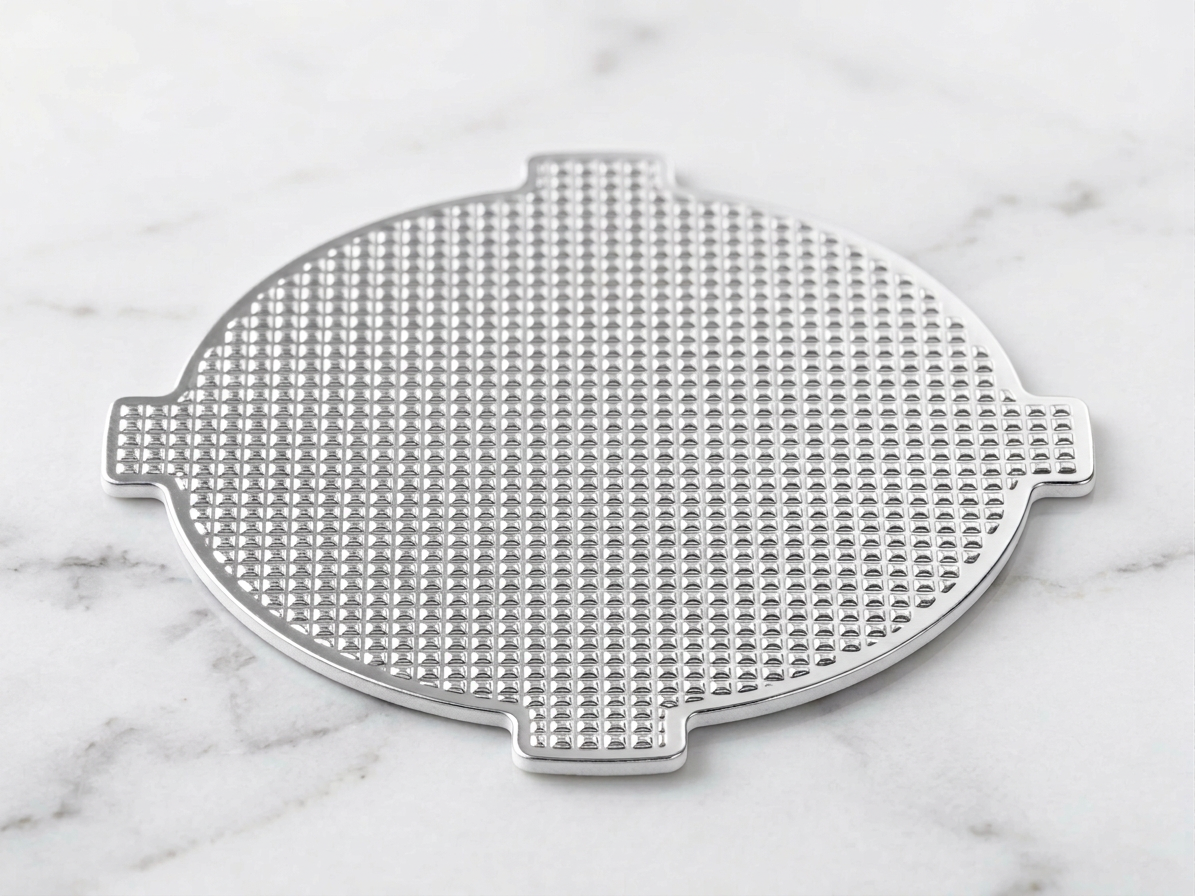
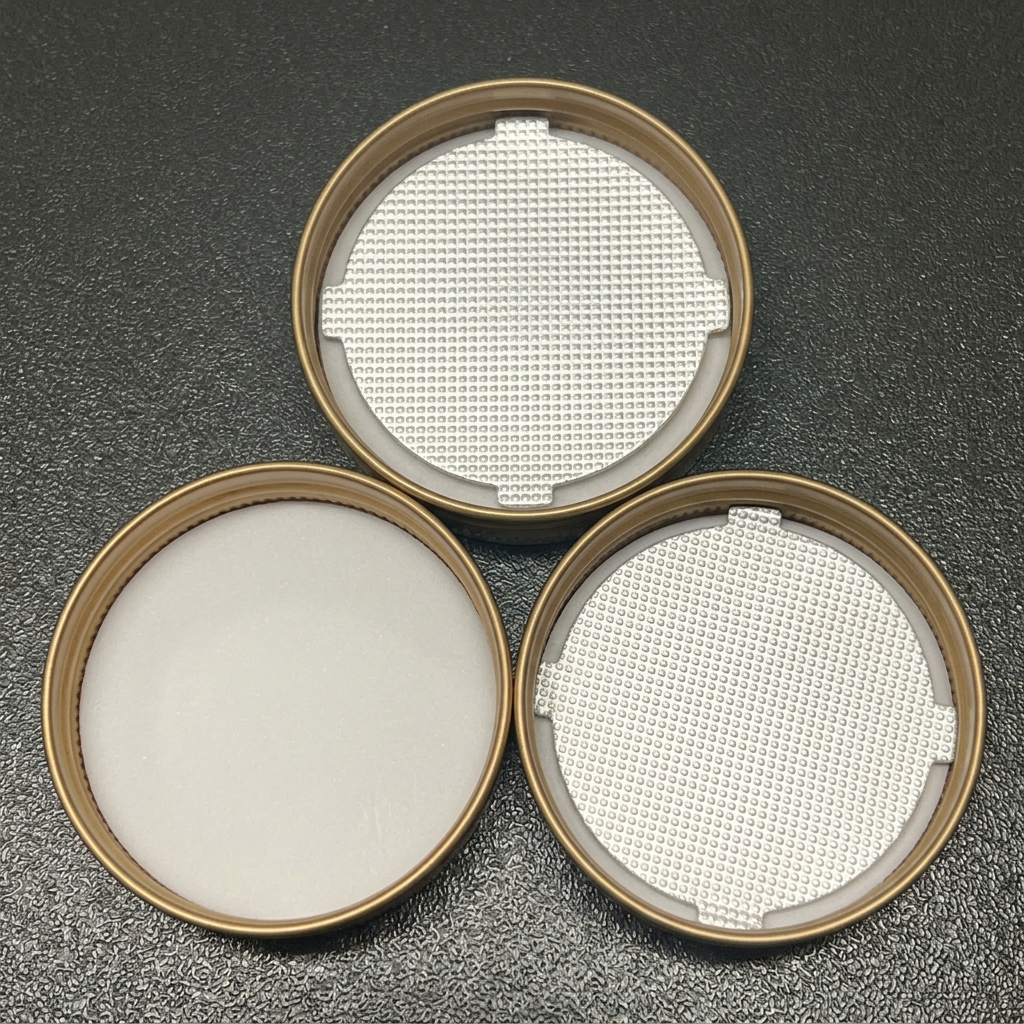
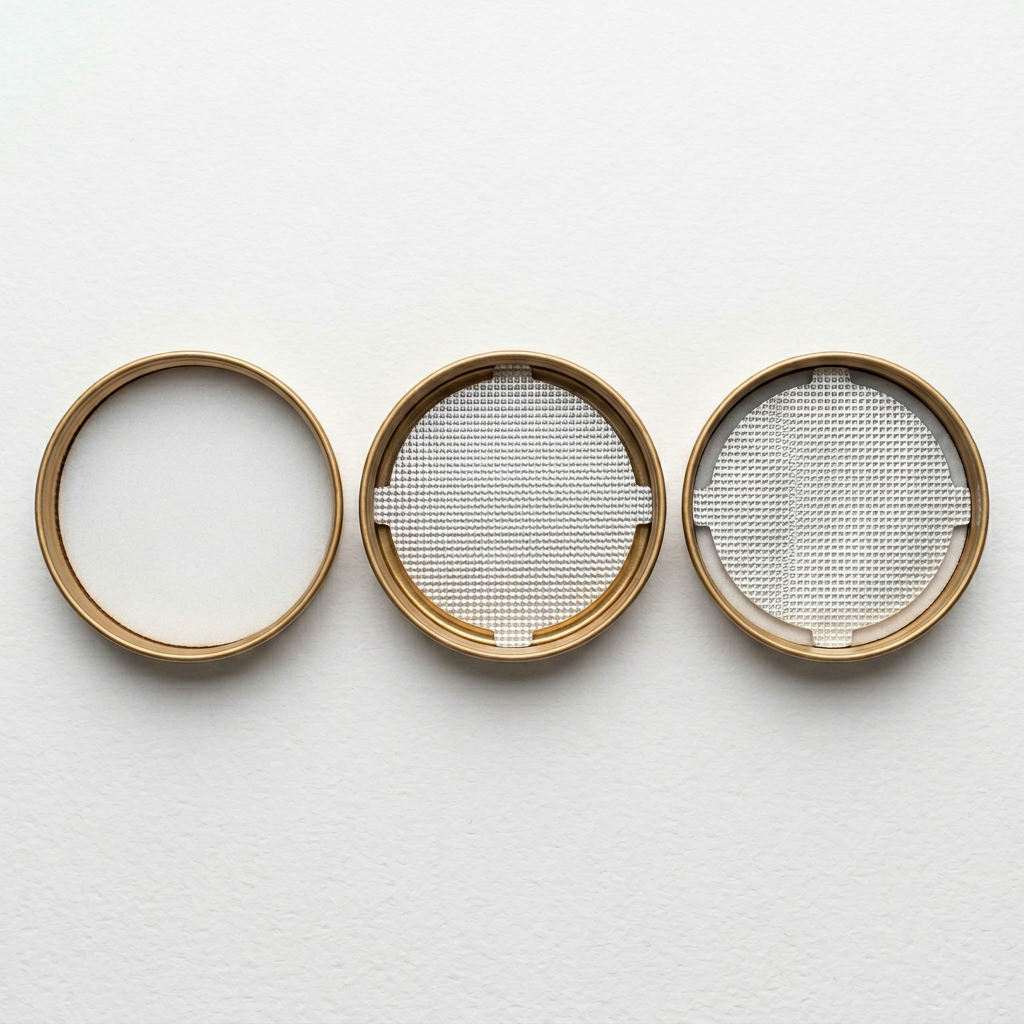
The IHS Liner (Induction Heat Seal Liner) seals a bottle tightly and creates an airtight closure. Manufacturers design it specifically for glass bottle necks. It is a two-part product: one side is aluminum foil, and the other is pressed paper. An induction sealing machine applies it using induction, and people also know it as an induction seal liner.
How the IHS Liner Works
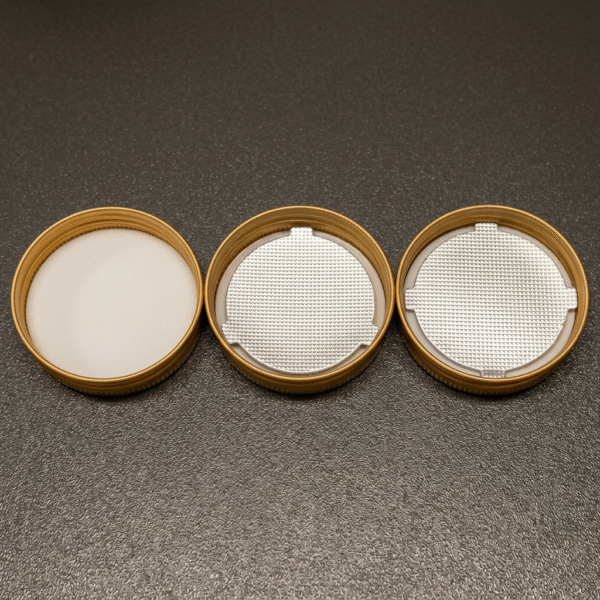
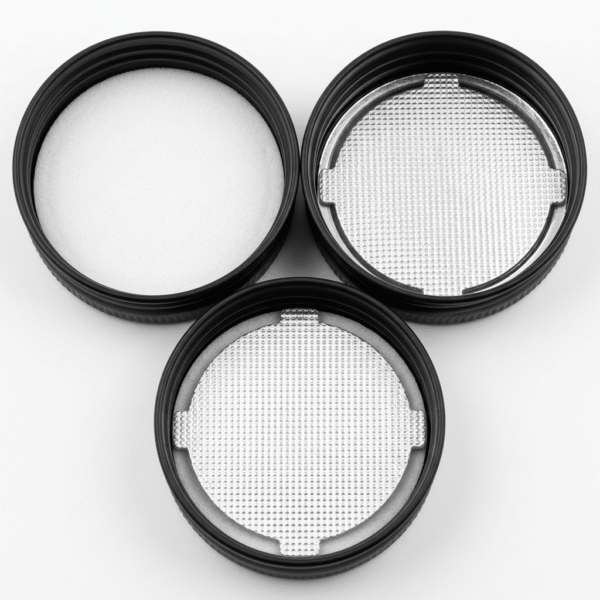
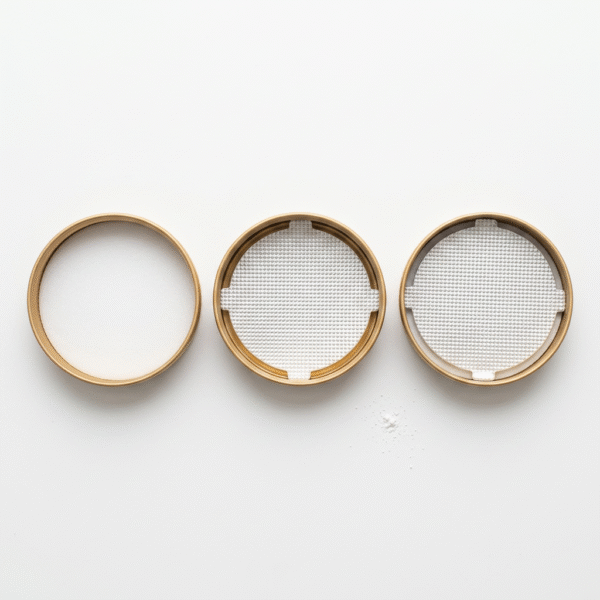
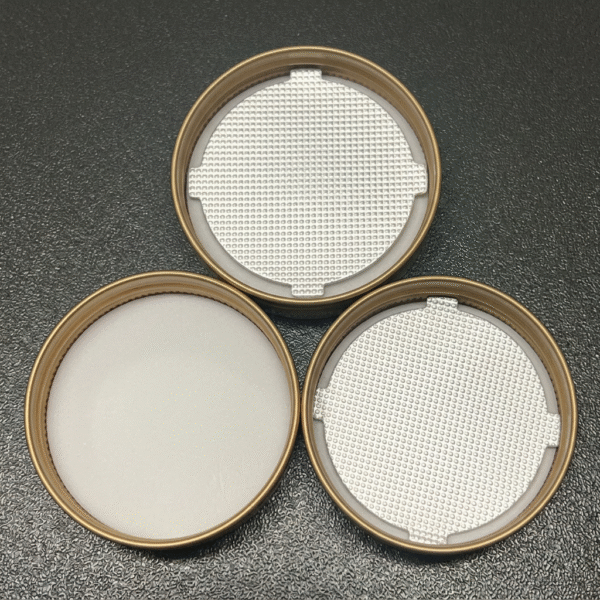
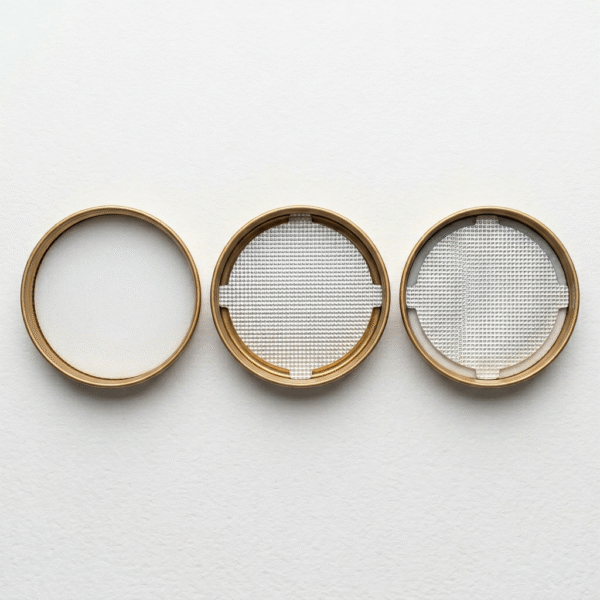
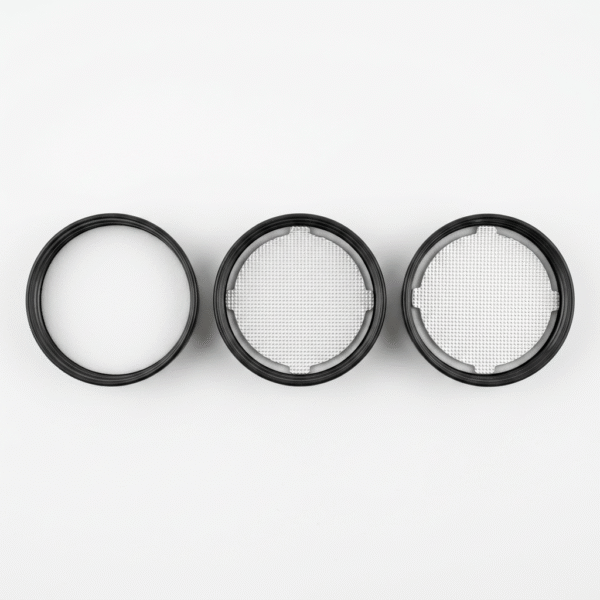
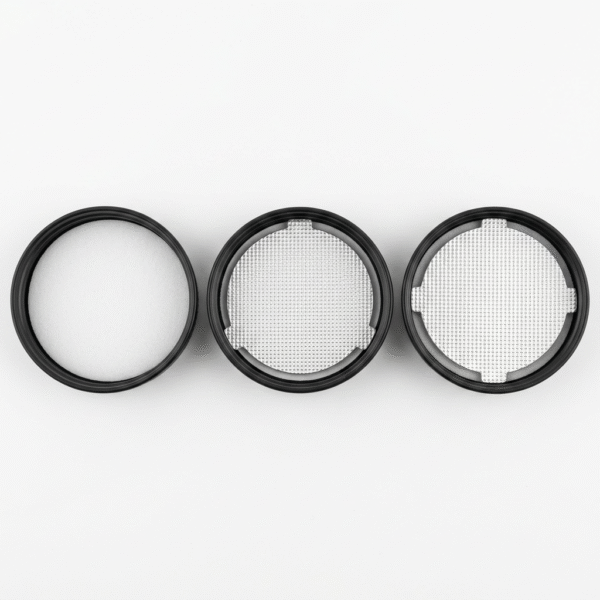
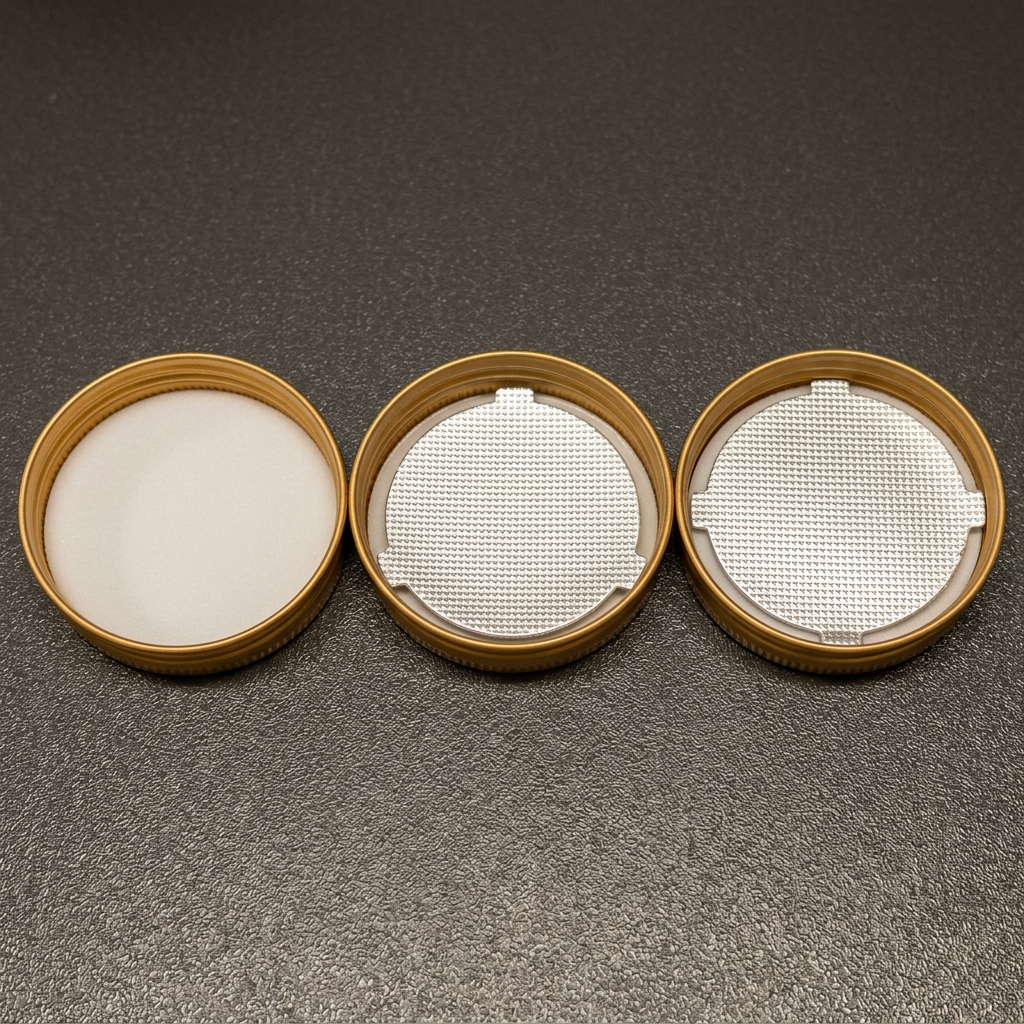
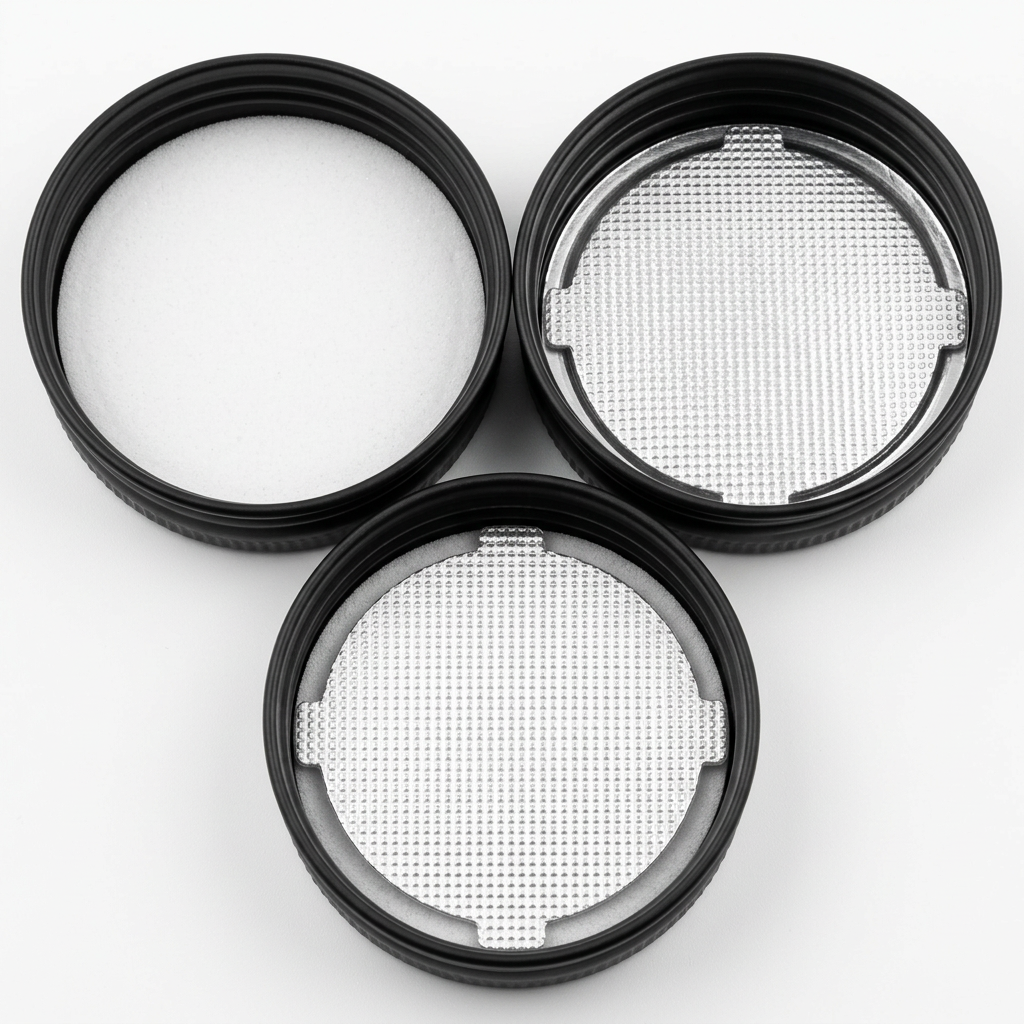
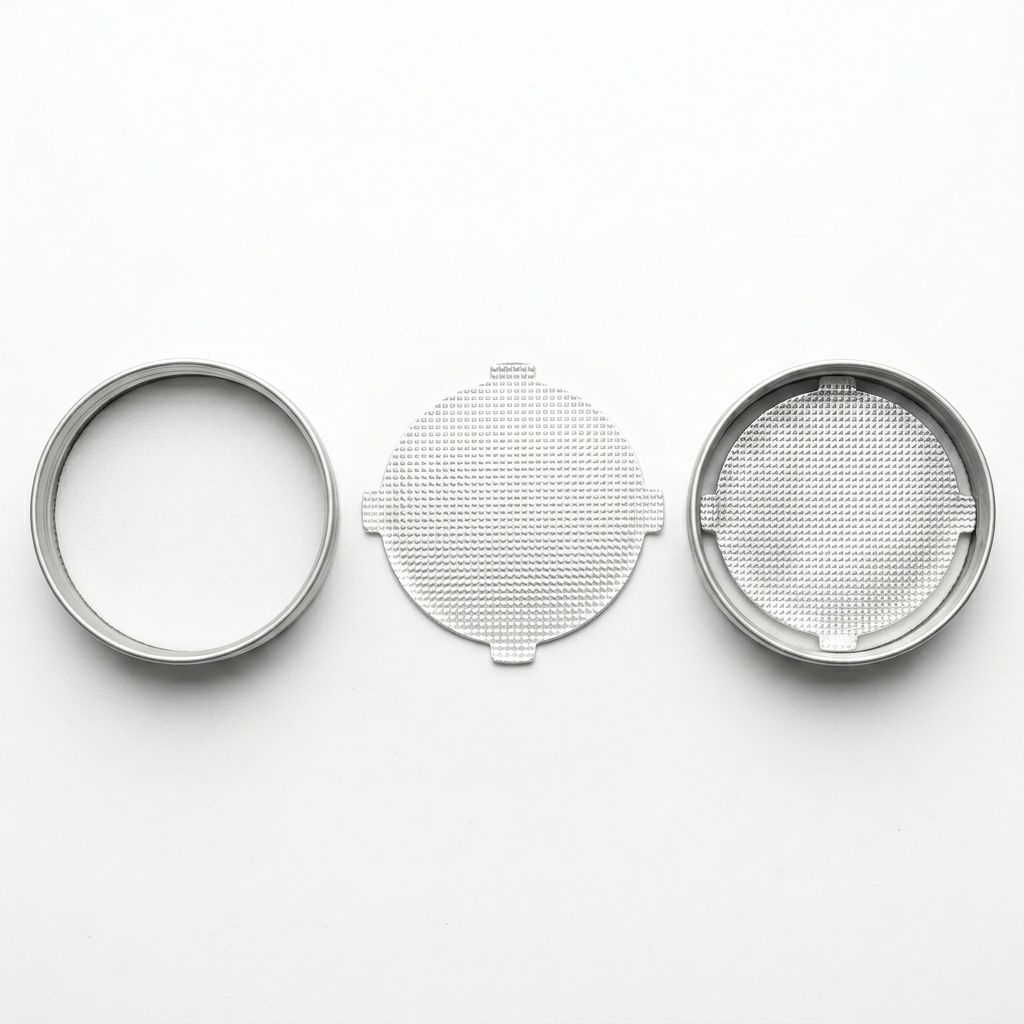
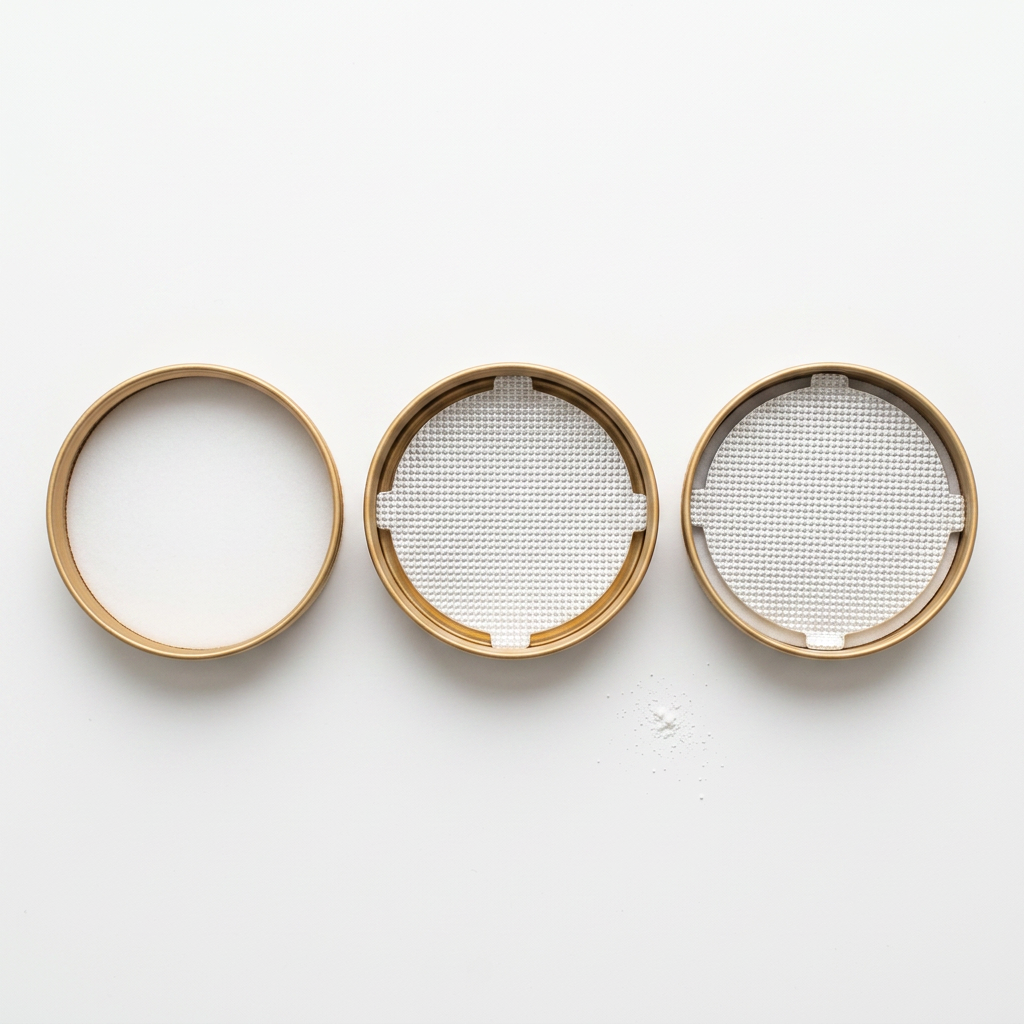
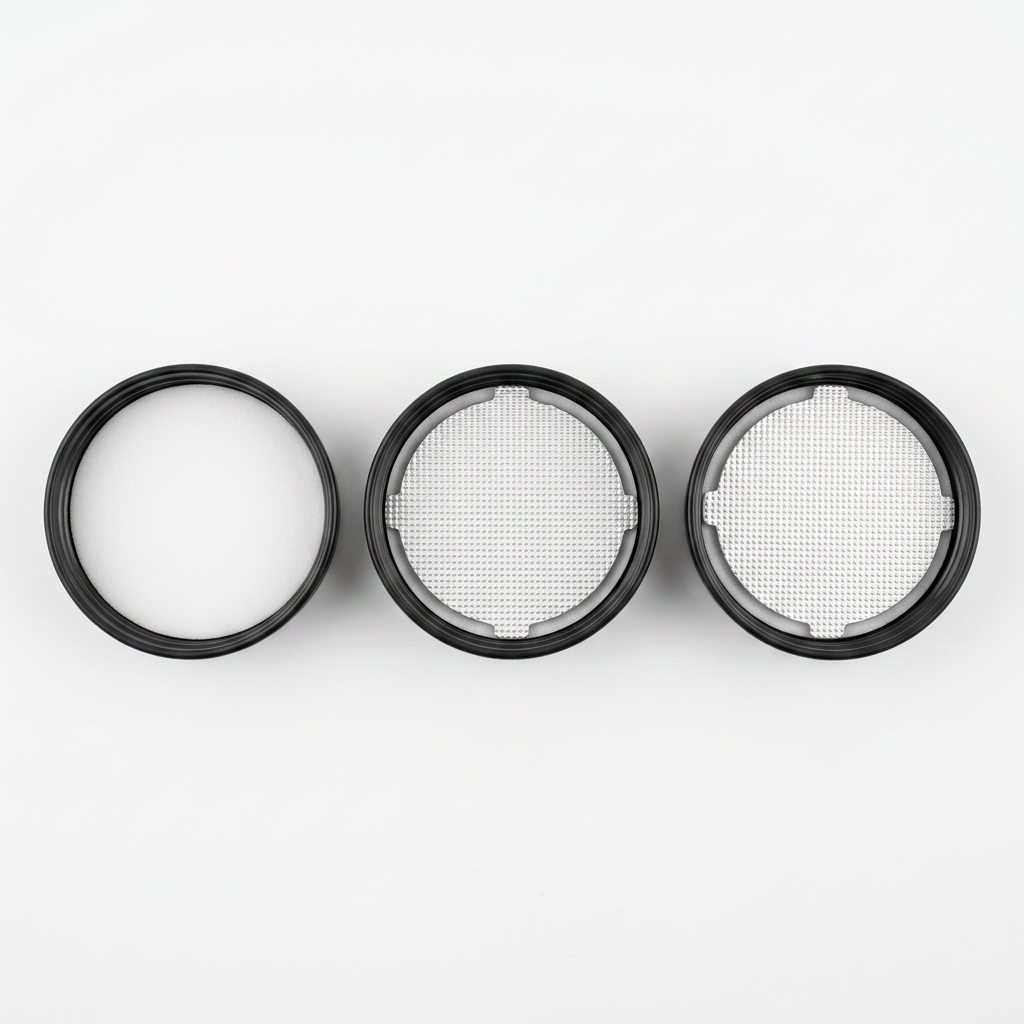
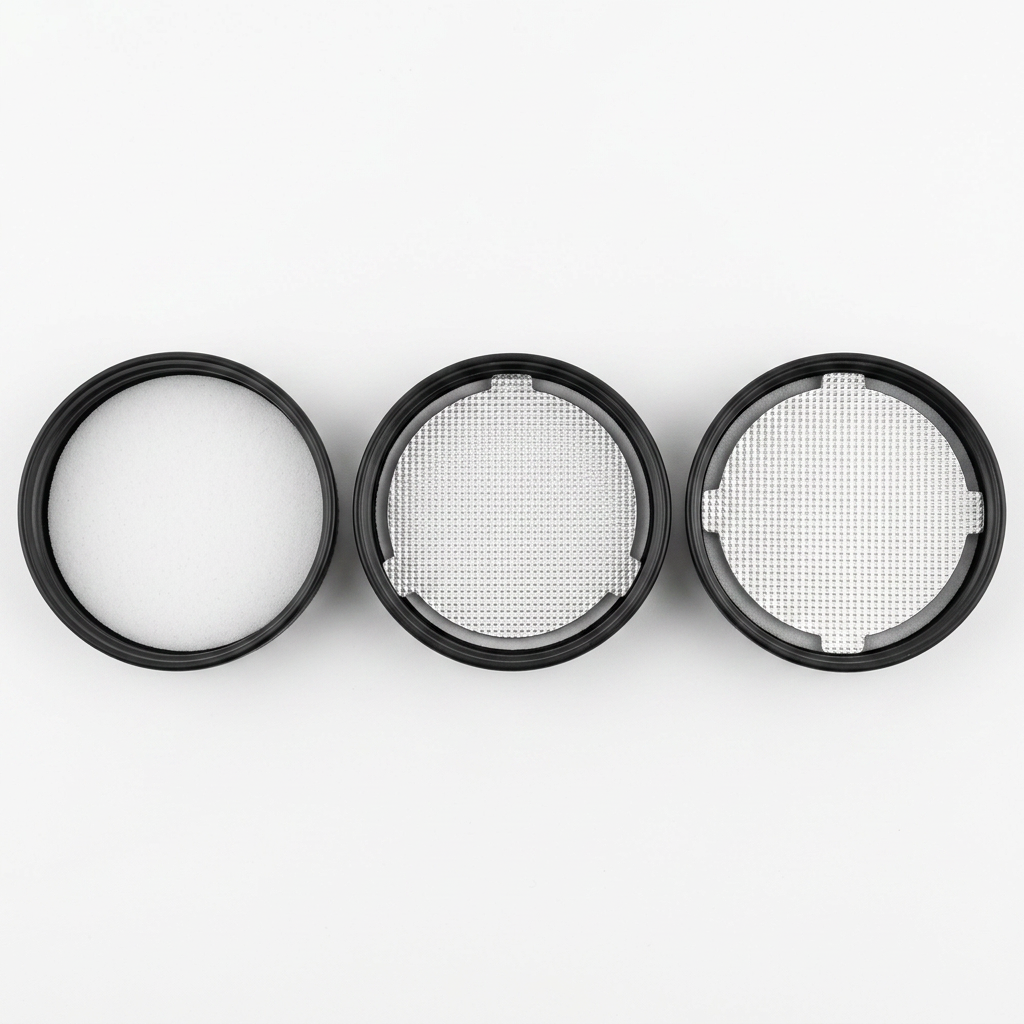
We supply it already assembled inside the cap, with the aluminum foil side facing down onto the bottle neck. It has four ears that protrude from its diameter. These ears hold it securely inside the cap during production, until you screw the cap onto the bottle. When you later unscrew the cap, it releases easily without resistance. The liner remains sealed onto the bottle neck to keep the product protected. You can then remove it by pulling off from one side.
Where the IHS Liner Is Used
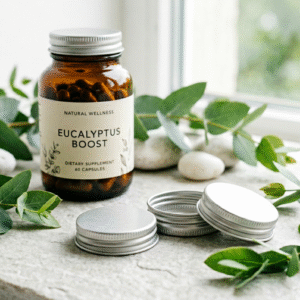
This liner fits 38/400 and 45/400 aluminum or TIN caps. Brands widely use it for pharma packaging, especially pills, nutraceutical supplements, and tablets. Induction sealing works with both solid and liquid products without deforming them. As a result, it is one of the most trusted liner types for a fully hermetic, tamper-evident seal.
Compatible Caps
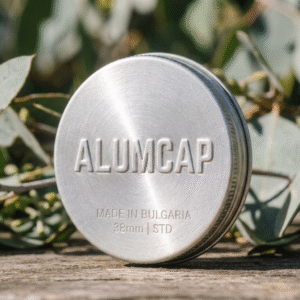
The IHS Liner fits inside the Aluminum Cap GPI 38/400, Aluminum Cap GPI 45/400, TIN Cap GPI 38/400, and TIN Cap GPI 45/400.
Also Available
Prefer a liner without induction equipment? The PRESS Liner bonds by pressure alone for solid products. Alternatively, the EPE Liner offers a simple foam liner without adhesive or heat. For help choosing the right liner, contact us and our team will guide you to the best solution.
Manufacturing & Quality
AlumCap Ltd manufactures this liner in the EU. It holds FSSC 22000, GMP, ISO 9001:2015, and ISO 14001 certification for consistent pharma-grade quality. In addition, our team quality-checks every batch before shipping, ensuring a reliable, airtight seal on every bottle.
Liner Comparison: EPE vs PRESS vs IHS
| Feature | EPE Liner | PRESS Liner | IHS Liner |
|---|---|---|---|
| Sealing method | Foam cushioning, no bonding | Pressure-sensitive adhesive | Induction heat seal |
| Tamper evidence | No | Yes | Yes (strongest, hermetic) |
| Works with liquids | Yes | No (solid-form only) | Yes |
| Special equipment needed | None | None (standard capping) | Induction sealing machine |
| Best for | General cushioning & protection | Dry products, simple tamper-evidence | Moisture-sensitive products needing an airtight seal |
Frequently Asked Questions
Is the IHS Liner suitable for liquid products?
Yes. Induction sealing works with both solid and liquid products without deforming, unlike a pressure-sensitive liner.
Do I need special equipment to apply it?
Yes, an induction sealing machine applies it using induction heat. This is different from the EPE or PRESS Liner, which need no special equipment.
Which caps is it compatible with?
Aluminum and TIN caps in both 38/400 and 45/400 sizes.
How do I remove it from the bottle?
Unscrew the cap, then peel the liner off the bottle neck by pulling from one side.
- Product form: Works with both solid and liquid products without deforming, unlike pressure-sensitive liners.
- Induction application: Applied with an induction sealing machine; bottles should pass through quickly, as aluminum and TIN caps heat up faster than plastic closures during induction.
- Storage: Keep in a cool, dry place away from direct sunlight and humidity, in the original packaging until use.
- Tamper evidence: Once removed, the liner cannot be reapplied – a missing or damaged seal is a clear sign the bottle has been opened.